



















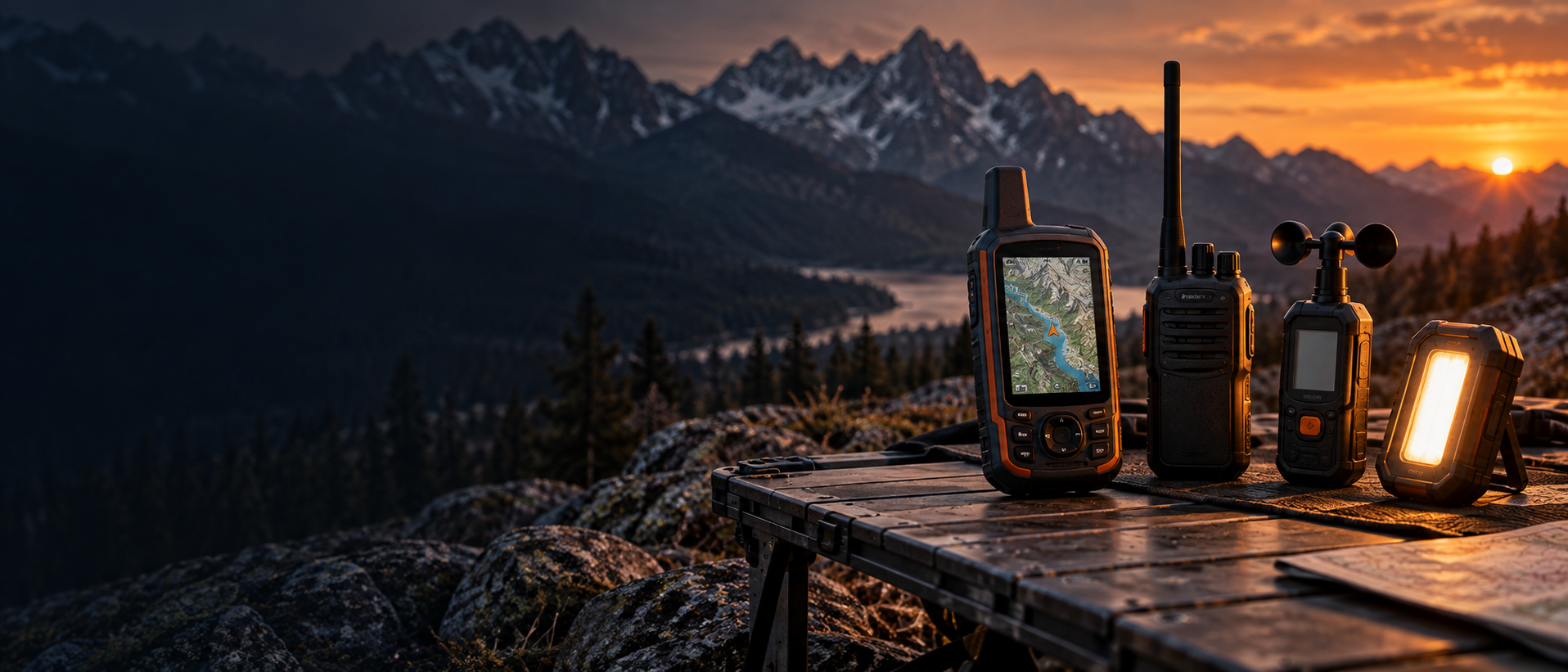
Quality Control for Outdoor Optics
From approved requirements and incoming materials to functional checks, packing review and shipment release—organized around the selected product and buyer requirements.
Quality Control for Outdoor Optics Starts With an Approved Baseline
A useful quality plan turns buyer requirements into clear checkpoints instead of relying on general promises.
MinMax Outdoors organizes quality control for outdoor optics around the selected model, intended use, target market and approved order details. The goal is practical: make the specification, sample, artwork, accessories and packing requirements clear before production, then check the product at the stages where variation can be found and contained.
The exact inspection scope is different for night vision devices, thermal imagers, trail cameras, rangefinding optics and solar accessories. Test items, sample size, acceptance criteria and records are therefore confirmed project by project—not assumed from one generic checklist.
For multi-product programs, quality follow-up can be coordinated with our manufacturing and supply-chain-backed service. Custom models should also align with the approval steps in our OEM/ODM service.
In practice, quality control for outdoor optics works best when the buyer identifies critical requirements early and both sides use the same approved reference throughout production and release.
Clear Acceptance Criteria
The approved model, specification, sample, artwork, accessories and packing list create the working reference for inspection.
Checks at Key Stages
Incoming, in-process, finished-product and pre-shipment checks help find issues close to where they occur.
Product-Specific Testing
Image, optics, electronics, power, controls and connectivity are checked only where relevant to the selected product.
Containment and Feedback
Nonconforming items are identified, separated and reviewed before release; repeated issues call for cause and corrective-action follow-up.
Quality Starts With an Approved Reference
Before production, the buyer and project team need a common reference. Depending on the order, that baseline may include:
- Model number, hardware and firmware version
- Approved sample or golden-sample reference
- Functional and performance specifications
- Logo position, color, labels and user-interface language
- Accessories, manual, packaging and carton marks
- Inspection method, sampling plan and required records
If a design or specification changes, the affected approval and inspection items should be updated before the change enters production. Our R&D team can join the review when a product modification needs engineering confirmation.
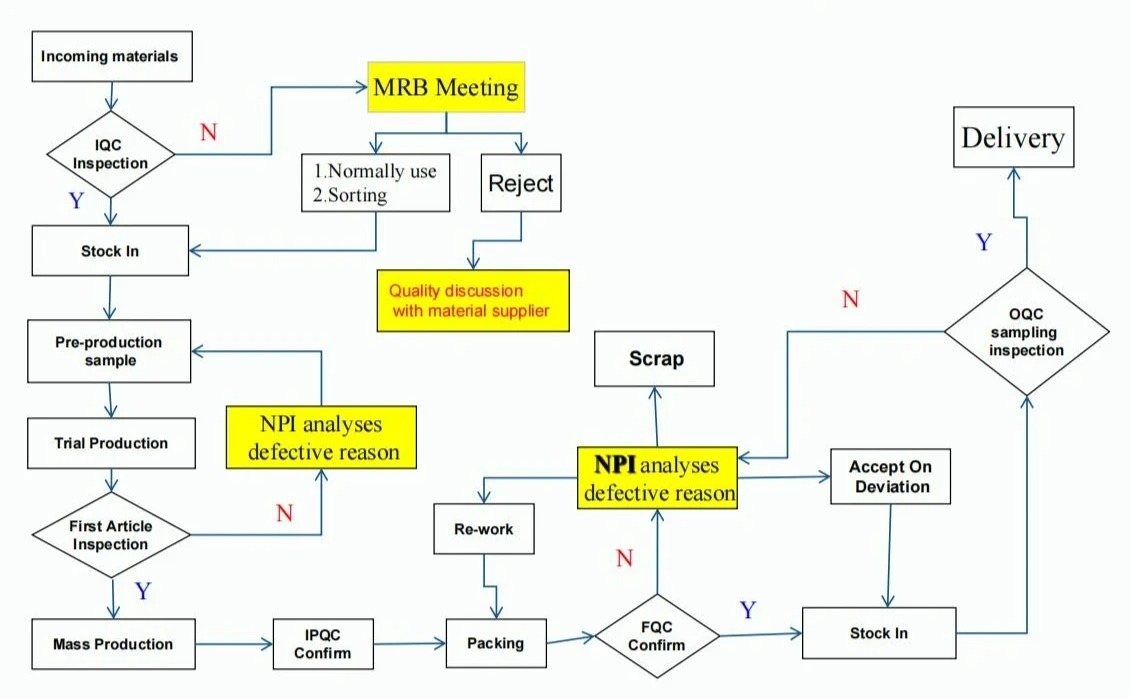
Seven Quality-Control Checkpoints
The sequence is practical and traceable. The exact checks at each stage depend on the model, order and agreed quality plan.
01
Requirement & Risk Review
Confirm the product baseline, critical functions, target market, buyer-supplied criteria and any changes from the standard model.
02
Incoming Quality Control (IQC)
Check identified materials or components against purchase and technical requirements before they enter the production flow.
03
First Article or Pre-Production Confirmation
Review the first build or approved sample before a batch continues, especially when branding, firmware, accessories or packaging have changed.
04
In-Process Quality Control (IPQC)
Check workmanship, assembly steps, key dimensions, connections, appearance and process parameters at defined production points.
05
Functional & Performance Checks
Verify the agreed optical, imaging, electronic, control, storage, power or connectivity functions for the selected product.
06
Finished / Outgoing Quality Control
Review finished units for function, appearance, configuration, labels and completeness using the agreed full-check or sampling method.
07
Packing & Shipment Release
Confirm quantity, accessories, manuals, packing protection, carton marks and release status before handoff to logistics.
What We Check for Different Outdoor Products
A useful checklist follows the product. It does not copy the same test onto every device.
Night Vision Devices
Depending on the model: daytime and low-light image, focus, display, infrared illuminator levels, buttons, menus, photo/video recording, storage and included accessories.
Thermal Imaging Products
Depending on the model: startup, image presentation, display, controls, menus, recording, lens condition, rangefinder or connectivity functions, and the agreed performance reference.
Trail & Time-Lapse Cameras
Trigger response, day/night capture, sensor behavior, date and time, storage, standby functions, weather-sealing details and wireless functions where fitted.
Rangefinding Optics
Optical clarity, display readability, buttons, distance-measurement function, repeatability against the agreed method, housing and accessories for hunting rangefinders and related models.
Digital Camera Binoculars
Focus, magnification controls, display, image and video capture, storage, data connection, power, housing and the approved accessory set for camera binoculars.
Solar Charging Accessories
Input and output function, charging indication, connectors, cables, housing, mounting parts, labels and packing for solar panel chargers.
Inspection Methods, Sampling & Records
Not every characteristic is checked in the same way. Some functions may need a unit-by-unit check, while appearance, dimensions, packaging or batch characteristics may use an agreed lot-sampling method. If the buyer requires an AQL level, named standard or third-party inspection, it should be written into the order requirements before production.
Available records depend on the project and can be discussed in advance. They may include inspection checklists, batch or serial-number references, defect summaries, photographs, approved samples or third-party reports. For electronics-related work, inspection criteria should also align with the applicable product and PCBA assembly requirements.
A third-party inspection can be coordinated when it is part of the agreed scope. The buyer should confirm the agency, timing, sampling plan, cost responsibility and release authority early enough to avoid delaying shipment.
How Nonconforming Items Are Handled
- Identify and contain: Mark and separate the affected material, work-in-process or finished units so they are not released by mistake.
- Review the issue: Compare the finding with the approved criteria and determine the affected quantity or batch.
- Decide the disposition: Rework, sort, replace, return or reject according to feasibility and approval responsibility.
- Verify again: Re-inspect the corrected or replacement items before they re-enter the release flow.
- Prevent recurrence: For repeated or significant issues, review the cause, action owner and follow-up result.
Post-delivery feedback should be connected to the relevant lot, model and symptom where possible. Our service and repair center provides the after-sales route for product support.
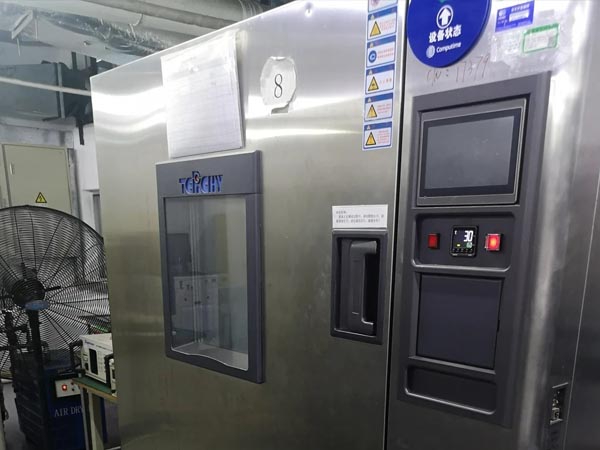
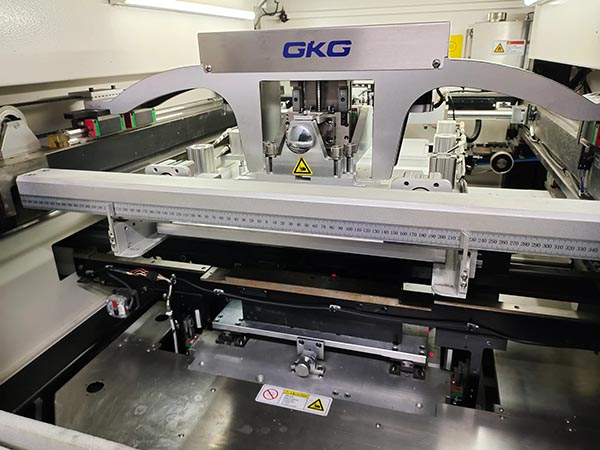
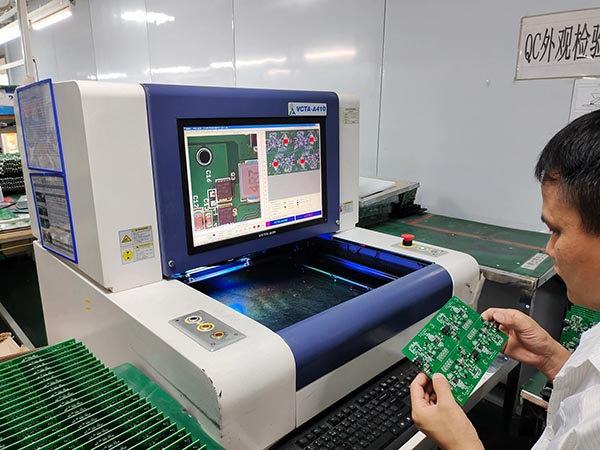
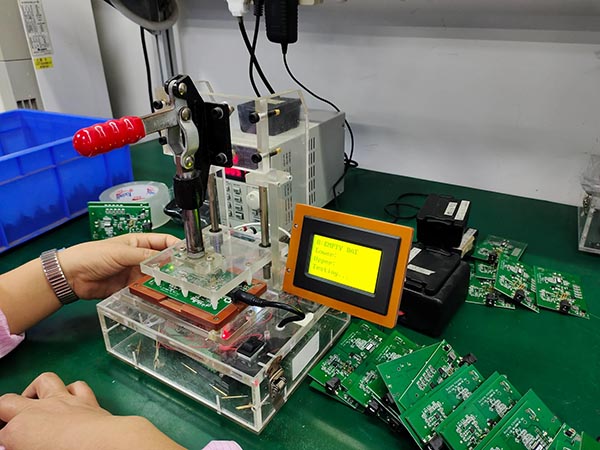
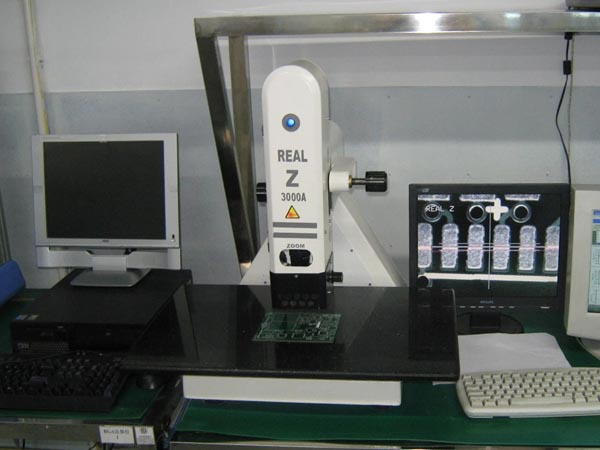
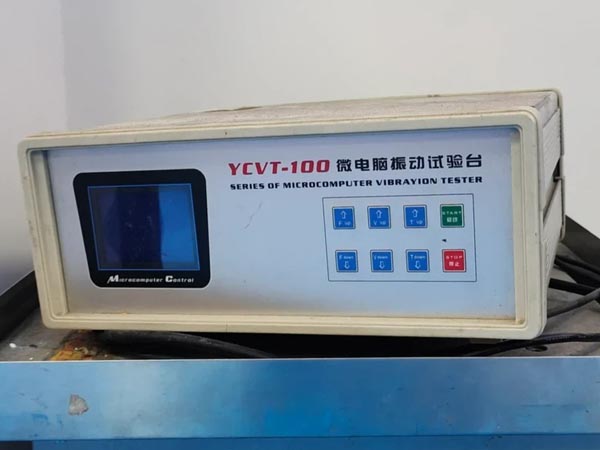
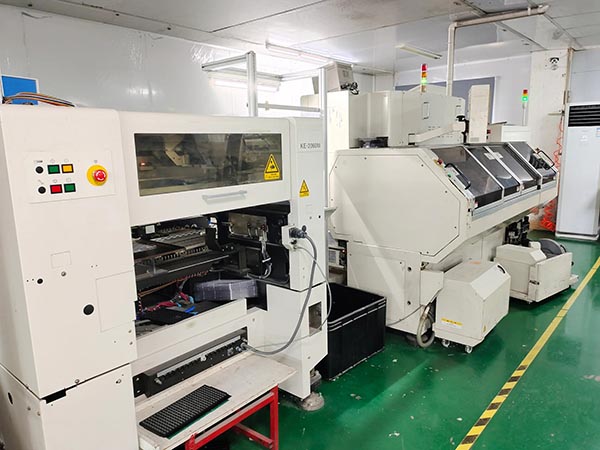
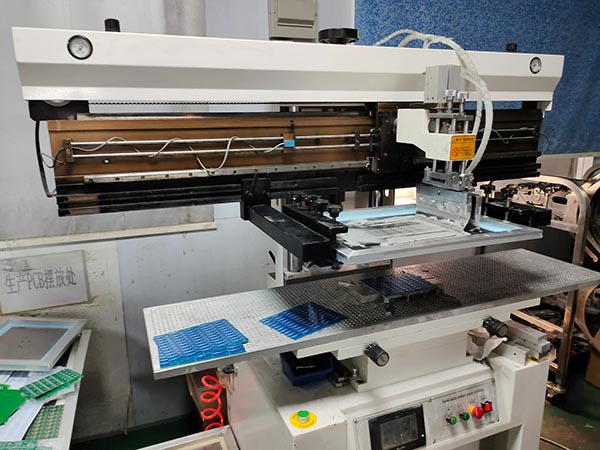
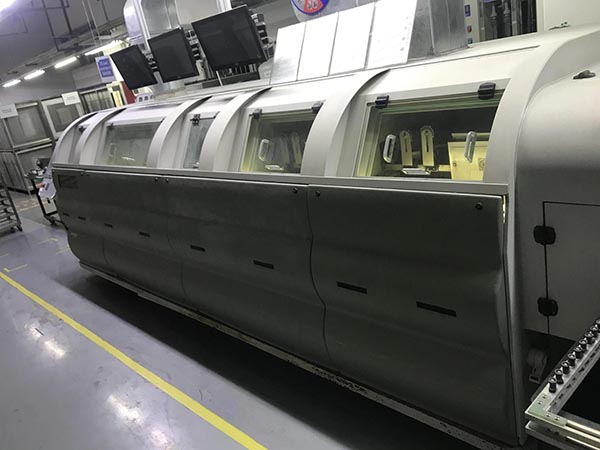
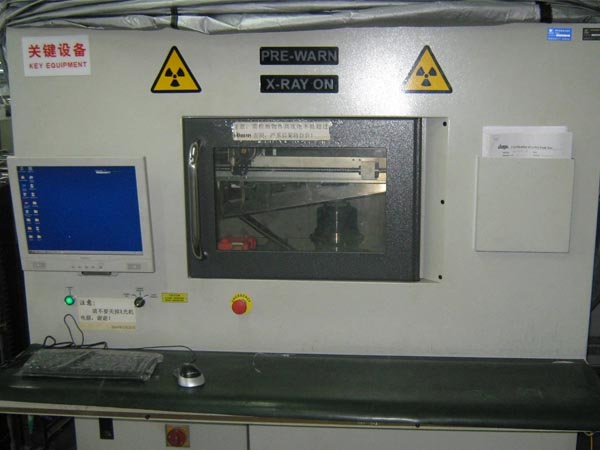
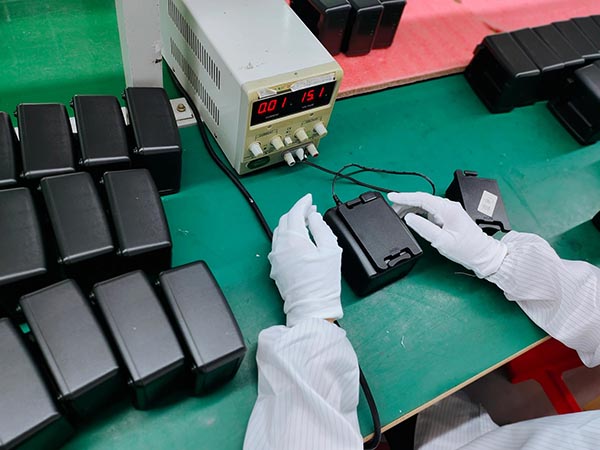
Production & Testing Equipment
Equipment supports the process, but the approved criteria, trained operation, records and review of results are what make an inspection useful.

What We Need From the Buyer
- Selected model, intended application and target market
- Required specifications and critical functions
- Reference sample or comparison product, when available
- Branding, label, manual, accessory and packing requirements
- Required inspection level, records or third-party inspection
- Compliance or market requirements that affect the product
- Authorized person for sample, artwork and release approval
Tell us which points are truly critical. A short, prioritized list is more useful than an unclear request for “the best quality.”
What We Confirm Before Shipment
- Current approved product and packaging references
- Inspection scope and acceptance method
- Status of significant defects, rework or approved deviations
- Product quantity, accessories, labels and manuals
- Carton marks and packing protection
- Required inspection or release records
- Shipment handoff and product logistics requirements
Release authority and required documents are project-specific. They should be confirmed before the planned ship date.
Outdoor Optics Quality-Control FAQs
Direct answers to the questions buyers usually ask before sample approval or batch production.
It depends on the characteristic and the agreed plan. Critical functions may require a unit-by-unit check, while other items may use lot sampling. The method should be confirmed for the model and order instead of assumed from a general website statement.
Yes. Share the checklist, defect classes, sampling level and acceptance limits before production. We will review whether the criteria are clear, measurable and feasible for the selected product and order quantity.
Record availability depends on the project. Inspection checklists, photos, batch references, defect summaries, sample approvals or third-party reports can be discussed. Required formats and timing should be agreed before the order.
This can be coordinated when it is part of the agreed project scope. The agency, test item, sample selection, cost, timing and release authority must be confirmed. A report for one model or configuration should not be assumed to cover another.
Affected items are identified and contained, the scope is reviewed, and a disposition such as sorting, rework, replacement, return or rejection is selected. Corrected items are checked again before release. Repeated issues require follow-up on cause and action.
No. Night vision, thermal imaging, trail cameras, rangefinders, digital camera binoculars and solar accessories have different functions and risks. The checklist follows the approved product specification and intended use.
Confirm it before production and preferably before quotation is finalized if it affects cost, equipment, sample size or lead time. Late changes to inspection requirements can delay production or shipment.
The approved sample, specification, artwork, firmware, accessories and packaging from the OEM/ODM process become the inspection baseline. Changes should be documented and re-approved where they affect product acceptance.
Define the Quality Plan Before Production
Send the product model, intended market, critical functions, order quantity and any inspection or reporting requirements. We will use them to start a practical review.
Send Your Quality Requirements
How to Reach Us
Tell us the product model, target market, critical functions, expected quantity and required inspection or reporting method. A sample, checklist or reference specification will help us review the request more accurately.
Contact Information

Phone: +86-755-23761989
Email: sales@wildtimeoutdoors.com

Address: 3rd Floor, B2 Building, Yinlong Industry Base, Longgang District, Shenzhen, China

Quality planning: Inspection scope, sampling, records and approval points are confirmed for the selected project.

Business hours: 9:00–18:00, Monday to Friday, Beijing time.
For a more useful quality discussion, include the model, intended use, target market, quantity and the defects or functions that matter most.
You can also use our wholesale enquiry page.